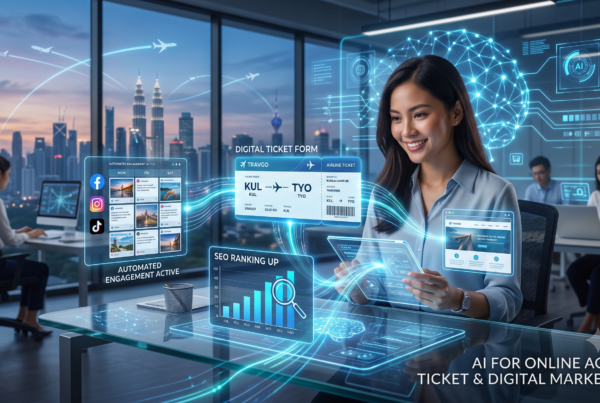

Running a business online used to mean spending hours doing repetitive tasks. You had to manually post on social media every day, guess which keywords would bring traffic to your blog, and pay high fees to get a simple website up and running. Today, the way we handle online promotions has completely shifted. The adoption of AI for digital marketing is making it easier for brands to reach their audience without burning out their teams.
This shift is not about robots taking over creative jobs. Instead, it is about giving human workers better tools. From local agencies to independent professionals, everyone is finding ways to use smart software to speed up their daily workflow. Let us look closely at how AI for digital marketing is reshaping the three main pillars of online marketing: website creation, search engine optimization (SEO), and social media management.
Smarter and Faster Website Creation
Building a website from scratch has always been a heavy project. A few years ago, it required a deep understanding of coding, a good eye for design, and weeks of testing to make sure everything worked on mobile phones. Now, artificial intelligence acts as a very fast assistant for web developers and designers.
Moving from Blank Pages to Instant Frameworks
When an agency or a freelancer gets a new client, they no longer have to stare at a blank screen. Smart web builders can generate a full website layout in a matter of minutes based on a short description of the business. The software automatically picks a matching color scheme, sets up the menu navigation, and even places temporary images that fit the industry.
Of course, the first draft generated by the software is rarely the final product. A human designer still needs to step in to adjust the layout, fix the branding, and ensure the user experience feels natural. However, getting that initial framework done in ten minutes instead of ten days saves a massive amount of time. It allows developers to focus on custom features and security rather than doing basic layout chores.
Upgrading SEO Services with Predictive Data
Getting a website to show up on the first page of search results is incredibly competitive. Search engines are getting smarter at figuring out what users actually want to read, which means old tricks like stuffing a page with the same keyword no longer work. Modern SEO requires deep research and a clear understanding of user intent.
Taking the Guesswork Out of Content Strategy
Using AI for digital marketing changes how we plan content. SEO software can now analyze thousands of top-ranking pages in seconds. It tells content creators exactly what topics are missing from their website, what questions their audience is asking, and how long an article should be to compete.
Instead of guessing what to write about, marketing teams receive clear, data-backed suggestions. They can map out an entire month of blog posts in one afternoon. The software also helps optimize the internal linking structure, ensuring that visitors stay on the site longer. However, the actual writing still needs a human touch. Readers want stories, real-world examples, and relatable language, which is why experienced writers remain highly valued in the industry.
Managing Social Media on Autopilot
If you manage social media for a brand, you know how exhausting it is to constantly feed the content machine. Every platform demands different formats, from short videos to image carousels, and keeping up with the daily posting schedule can drain a team’s creative energy.
Creating Meaningful Conversations at Scale
Smart tools now help social media managers organize their calendars effortlessly. The software can review past posts to determine the exact time of day when followers are most active. It can also suggest caption variations and automatically generate relevant hashtags based on current trending topics.
More importantly, AI helps monitor brand reputation. It scans the internet for mentions of the company and analyzes whether the public sentiment is positive or negative. If a customer complains on a public forum, the system can instantly alert the team so they can respond quickly. This keeps the brand’s image safe and shows customers that the company actually cares about their feedback.
Regional Growth and the Shift in the Freelance Economy
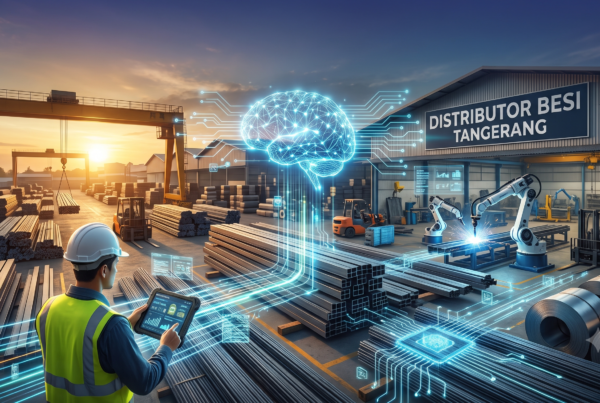
The influence of these digital tools goes far beyond individual businesses; it is shaping entire regional economies. We can see a parallel in heavy industries. For instance, if you look at how AI changes construction sector by making supply chains highly efficient and reducing waste, you will notice the exact same pattern happening in the service sector. Efficiency is going up across the board.
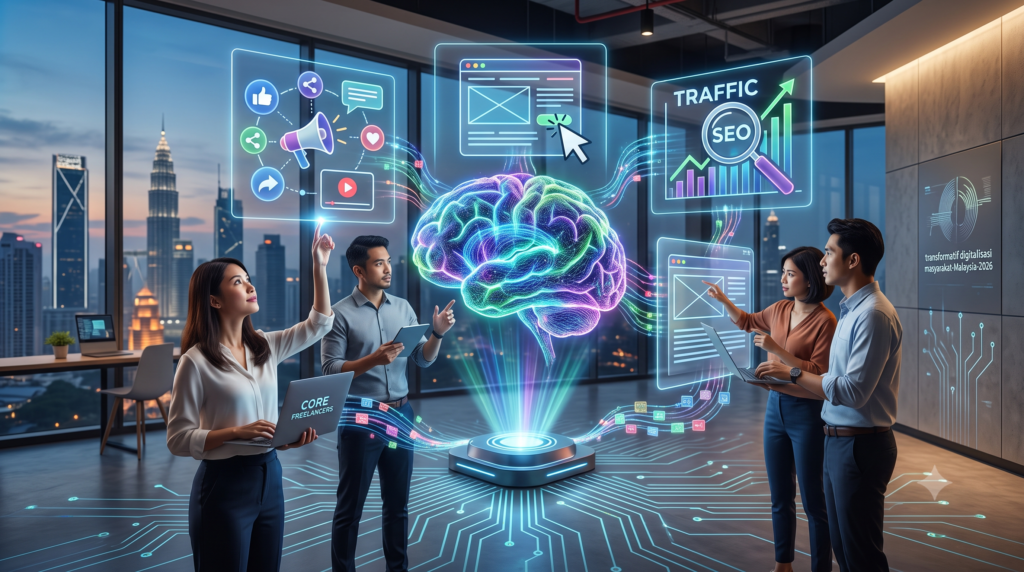
This technological push is supported by broader government and social initiatives. Movements like the transformatif digitalisasi masyarakat Malaysia 2026 are designed to get more businesses online and comfortable with smart technology. As digital literacy increases, the demand for high-quality marketing services naturally goes up.
To meet this demand, independent workers and Core Freelancers are stepping up. These professionals are quickly adapting to AI tools to offer agency-level services at competitive prices. The financial impact of this digital boom is significant. Recent economic projections and reports discussing the navigasi ekonomi Malaysia 2026 tumbuh point out that the digital service sector, heavily powered by these new marketing technologies, is a major driver of this positive growth.
Traditional vs. AI-Assisted Marketing
To see how much things have improved, here is a quick look at the differences between the old way of doing things and the modern approach.
| Service Area | Traditional Approach | AI-Assisted Approach |
| Website Creation | Weeks of manual coding and layout drafting | Instant framework generation; human refinement |
| SEO Strategy | Guessing keywords; manual competitor checking | Predictive analytics and automated content gap analysis |
| Social Media | Manual posting; blind scheduling | Automated best-time posting and trend forecasting |
| Data Analysis | Spending days reading spreadsheets | Instant reports with clear, actionable insights |
| Customer Support | Waiting hours for a human reply | 24/7 smart chatbots handling basic inquiries |
Frequently Asked Questions (FAQ)
1. What exactly is AI for digital marketing?
It refers to using smart software and machine learning to handle marketing tasks. This includes tools that help build websites, analyze SEO data, schedule social media posts, and track customer behavior to make online campaigns more effective.
2. Will artificial intelligence replace digital marketing agencies?
No. While the software is great at analyzing data and speeding up repetitive tasks, it lacks human creativity and emotional intelligence. Agencies and freelancers use these tools to work faster and deliver better results, not to replace the human element of marketing.
3. How does smart technology help a website rank higher on search engines?
It analyzes what users are actively searching for and tells creators exactly what topics they need to cover. It also scans competitors’ websites to find weaknesses, allowing you to write better, more comprehensive content that search engines prefer.
4. Can I use these tools if I only run a small local business?
Absolutely. Many of these platforms are very affordable and designed for beginners. A local shop can use them to quickly set up a clean website, find local keywords to attract nearby customers, and automate their weekly Facebook or Instagram posts.
5. Does using automated tools make a brand sound robotic on social media?
It only sounds robotic if you let the software do 100% of the work without editing. The best practice is to use the software to generate ideas, draft basic captions, and schedule the posts, but always have a human review and adjust the tone so it sounds natural and authentic.