
The construction sector is experiencing a massive shift in how it operates. For decades, building infrastructure relied entirely on human intuition, manual labor, and traditional supply chains. Today, computers and machine learning are stepping onto the job site and into the manufacturing plants. This mix of heavy metal and digital data might sound like science fiction, but it is already happening in warehouses and factories around the world. Builders want efficiency, and technology is giving them exactly that.
From the factory floor to the moment a truck drops off materials at a building site, software is making decisions that save time and money in construction sector. This matters for everyone involved in the process, whether you are a global property developer or a local distributor trying to meet strict client deadlines. By using smart systems, companies can track inventory, predict what buyers want, and make sure every piece of metal meets strict safety standards before it even leaves the yard.
The Role of Smart Technology in Steel Production
Manufacturing steel is a hot, dangerous, and incredibly complex process. In the past, workers had to visually inspect the final product to catch any cracks, warping, or structural weaknesses. Now, cameras hooked up to computers do this work in real time, completely changing how factories operate.
Precision and Quality Control
When construction sector produces thousands of steel beams a day, human error is bound to happen. A tired worker might miss a tiny flaw in the metal at the end of a long shift. However, computer vision algorithms never get tired. They scan every inch of the product as it moves down the assembly line at high speeds.
If the system detects a structural weakness, it immediately stops the process or separates the bad batch from the good ones. This guarantees that construction companies only receive high-quality materials. When building a skyscraper, a bridge, or a commercial complex, having a strong building material is an absolute necessity to ensure public safety and long-term structural integrity. There is no room for guesswork when thousands of lives depend on the strength of those materials.
Upgrading Supply Chains and Inventory Management
Making the steel is only half the battle. Getting it to the construction site exactly when it is needed is just as difficult. Construction projects run on very tight schedules, and waiting for delayed materials can cost contractors thousands of dollars a day in idle labor and extended equipment rentals.
Forecasting Demand for Specific Materials
This is where machine learning truly shines. Software can look at years of past sales data, current building trends, and even seasonal weather patterns to predict what materials will be needed next month. For example, solid steel shafts, often referred to in the local market as assental iron, are frequently used in heavy machinery, automotive parts, and specific construction frameworks.
By predicting the demand for these specific items, a supplier can stock up ahead of time. They do not have to guess what their customers will buy or risk running out of stock during peak building seasons. The data tells them exactly what to prepare, allowing them to manage their warehouse space efficiently and keep their clients happy.
AI in Material Selection and Design
Architects and engineers also benefit heavily from these digital tools long before the first shovel hits the dirt. Choosing the right metal in construction sector for a project involves complicated math. Different environments require very different types of iron and steel to survive the elements.
Matching the Right Metal to the Right Sector
Computer programs can now simulate how a building will react to high winds, earthquakes, or salty ocean air over the span of fifty years. The software will then recommend the exact grade of steel needed for the job. This is highly beneficial for the stainless steel user, such as food processing plants, chemical facilities, or medical centers, which require specific non-corrosive metals to maintain hygiene and safety.
Instead of spending weeks calculating load-bearing capacities and corrosion rates by hand, engineers can get accurate recommendations in minutes. This allows them to focus on the actual design of the building rather than getting bogged down in complex material science.
Data-Driven Operations for Local Distributors
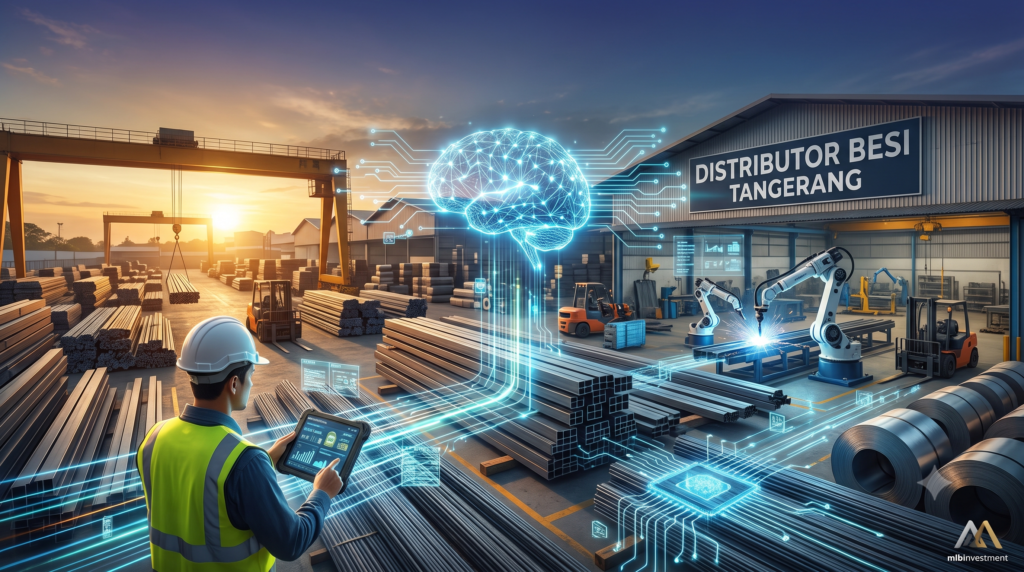
For regional businesses, adopting technology is no longer optional if they want to stay competitive in a crowded construuction sector. A modern Distributor Besi Tangerang can use intelligent routing software to plan the fastest delivery paths for their fleet of trucks. The system looks at real-time traffic, road closures, and vehicle weight limits to find the best route, saving hours of driving time and significantly reducing fuel costs.
Inside the warehouse, automated inventory systems tell workers exactly where a specific batch of steel is located, speeding up the loading process. Business platforms like mlbinvestment often highlight how companies that embrace these operational upgrades see a significant return on investment. The initial cost of setting up the software pays off quickly through reduced material waste, lower fuel bills, and repeat business from satisfied contractors.
Traditional vs. AI-Assisted Sourcing
To understand the real impact of these changes, it helps to look at a direct comparison of the old way of doing things versus the new digital approach.
| Feature | Traditional Sourcing | AI-Assisted Sourcing |
| Quality Control | Manual visual inspection, prone to human error | Automated camera scanning, high precision |
| Inventory Management | Guesswork based on past manual records | Predictive analytics and demand forecasting |
| Delivery Routing | Fixed routes, highly vulnerable to traffic delays | Real-time dynamic routing to save time and fuel |
| Material Selection | Lengthy manual calculations by engineers | Instant software simulations and recommendations |
| Stock Tracking | Paper ledgers and physical headcounts | Cloud-based tracking with instant updates |
Regional Growth and the Energy Challenge
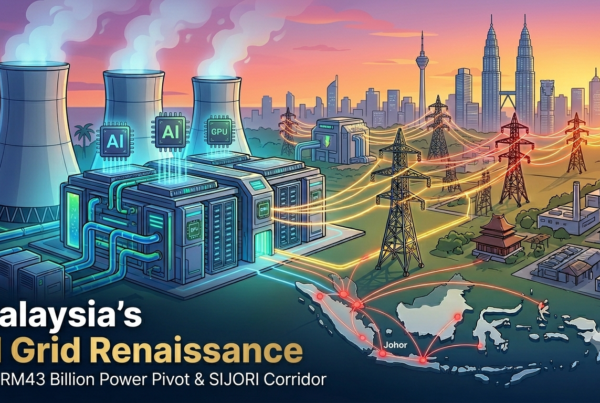
Running advanced machine learning models requires massive data centers, which in turn demand huge amounts of continuous electricity. As steel manufacturers upgrade their facilities with smart technology, they are increasingly hitting a bottleneck inside Indonesia’s AI infrastructure energy crisis. The local power grids in several industrial zones are struggling to keep up with the high-volume energy requirements of these newly automated factories.
To solve this, industry leaders are exploring regional energy sharing. Strategic cross-border collaborations, such as tapping into the sijori power of Malaysia to prevent AI blackout, are becoming crucial for factories that need to operate 24 hours a day. By leveraging stable regional energy grids, these high-tech plants can run their automated systems without the fear of sudden power loss.
This push for modernized, AI-ready infrastructure is having a positive ripple effect across Southeast Asia. Neighboring markets are seeing massive benefits from these tech-driven industrial upgrades. This is evident as financial analysts discuss how the navigasi ekonomi Malaysia 2026 tumbuh 54 points in recent fiscal projections, driven by tech and infrastructure investments. For local suppliers, understanding these broader economic and energy trends is just as important as tracking the daily price of raw metal.
Conclusion
The blending of digital technology and heavy industry will only continue to grow. We are moving toward a future where entire supply chains run smoothly with minimal friction. While human oversight will always be needed to manage the operations and physically build the structures, the tools they use in construction sector will become smarter, faster, and much more reliable. The companies that learn to use these tools now will be the ones leading the market tomorrow.
Frequently Asked Questions (FAQ)
1. How does technology improve the safety of construction sector?
Computers use advanced cameras and sensors to check the metal during the manufacturing process. They can spot tiny internal cracks or surface defects that a human inspector might easily miss, ensuring the final product is completely safe to use in heavy construction.
2. Can local suppliers really benefit from machine learning?
Yes. Even small to medium-sized material suppliers can use affordable software to track their inventory, manage their delivery trucks, and predict what items their buyers will need in the coming months, which prevents overstocking and stockouts.
3. Will software replace construction workers and engineers?
No. Technology is meant to help workers, not replace them. It handles the heavy data processing, route planning, and quality checks so that humans can focus on the physical building, client communication, and complex problem-solving on the site.
4. Why is precise material selection so important for builders?
Different projects face different environmental stresses. Choosing the exact right alloy prevents structures from rusting, warping, or collapsing over time. This targeted approach saves property owners massive amounts of money on future repairs and maintenance.
5. How does AI help in reducing waste in the steel construction industry?
Smart systems calculate the exact measurements needed for cutting and shaping metal, which maximizes the use of raw materials. By predicting precise project requirements and lowering the chance of human error during production, factories can drastically cut down on scrap metal. This not only saves a lot of money for suppliers but also makes the whole building process much more environmentally friendly.