

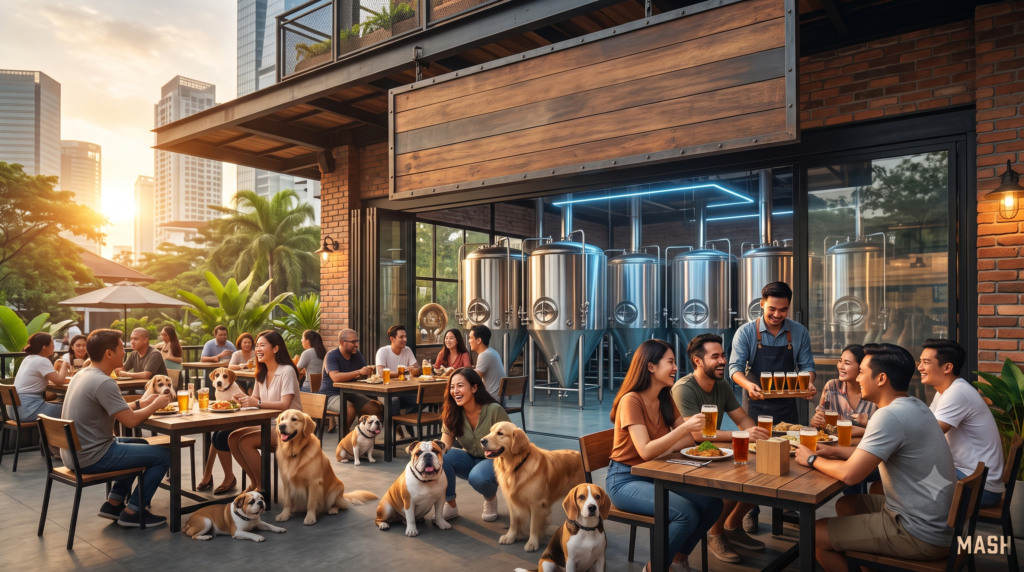
Imagine walking into a packed local pub on a Friday evening. The bartender knows exactly what you want, the kitchen has not run out of your favorite dish, and the staffing levels are perfectly balanced to handle the crowd. This is not just luck or good management; it is data at work. The food and beverage industry operates on incredibly thin profit margins and high daily stress. To survive and grow, business owners are turning to smart software. The current conversation around AI use in restaurant environments is no longer about novelty robot waiters serving plates. Instead, it focuses on practical, background tools that keep the business running smoothly without losing the vital human touch that diners expect.
Running a successful dining or drinking establishment means juggling hundreds of moving parts at the same time. You have to monitor perishable inventory, manage shift schedules, handle online reviews, and ensure the quality of the food never drops. By letting intelligent systems handle the complex math and data tracking, owners and chefs can finally focus on what they actually love doing: creating great food, crafting unique drinks, and building a welcoming atmosphere for their guests.
Perfecting the Craft in Breweries and Bars
While restaurants deal with fast-paced food orders, breweries and craft bars deal with science. Brewing beer is an incredibly delicate process where slight changes in temperature or timing can ruin an entire batch.
Consistency in Every Pour
For modern beverage makers, maintaining a consistent flavor profile is the key to keeping loyal customers. Breweries, much like the operational teams at established names like Mash Brewing, are beginning to utilize smart sensors inside their fermentation tanks. These digital sensors constantly monitor the yeast activity, sugar levels, and temperature of the liquid. If a cooling system fails and the temperature inside a vat rises even a fraction of a degree, the system instantly sends an alert to the head brewer’s phone.
This immediate feedback loop prevents catastrophic losses. Instead of discovering a bad batch of beer weeks later during a taste test, the brewer can fix the temperature issue within minutes. For busy bars, AI in restaurant systems track exactly how much liquid is poured from every keg, comparing it against the sales in the cash register. This helps bar managers identify if beer is being wasted through foamy pours or if bartenders are giving away too many free drinks.
The Power of Smart Promotion
Having the best food or the finest craft beer means nothing if people do not know your venue exists. Attracting foot traffic requires a strong online presence, but most restaurant owners do not have the time to run a full-scale advertising campaign while also managing a kitchen.
Finding the Right Crowd at the Right Time
This is where integrating AI for digital marketing becomes incredibly valuable. Smart marketing platforms can analyze local social media trends and figure out exactly when potential customers are deciding where to eat. A bar can set up an automated system that pushes a targeted advertisement for a “Happy Hour Special” to the mobile phones of office workers in a two-mile radius at exactly 4:30 PM on a Friday.
The software tests different pictures, headlines, and offers to see which one brings the most people through the door. It handles the heavy lifting of online promotion, allowing an independent brewery or a family-owned diner to compete for attention alongside massive, heavily funded restaurant chains.
Learning from Broader Industries
It is easy to think that cooking food and pouring drinks are completely unique trades, but the underlying business challenges are universal. Managing raw materials, predicting consumer demand, and maintaining heavy equipment are problems faced by nearly every large sector.
Managing Heavy Supply Chains and Guest Services
We can actually look at how AI changes construction sector logistics to understand the future of restaurant supply chains. In construction, software predicts exactly how much steel or cement is needed to prevent massive material waste and project delays. The food and beverage industry applies this exact same logic, just with different materials. Predicting the exact demand for flour, cooking oil, and fresh meat prevents supply bottlenecks and ensures a kitchen never has to tell a customer that their favorite dish is sold out.
Ultimately, all these upgrades fall under the broader push for better AI in hospitality. The end goal of any restaurant, bar, or hotel is to make the guest feel comfortable and taken care of. By automating the stressful, tedious tasks—like counting inventory in a freezing walk-in cooler, scheduling staff shifts, or tracking marketing clicks—the technology frees up the human staff. Waiters have more time to chat with guests, bartenders can focus on crafting complex cocktails, and managers can build a stronger, more welcoming community.
Traditional vs. Smart F&B Management
To see the real-world impact of these tools, here is a breakdown of how traditional management compares to a software-assisted approach (AI in restaurant) use in the food and beverage space.
| Operation Area | Traditional Approach | AI-Assisted Approach |
| Inventory Control | Manual counting with clipboards at the end of a long shift. | Automated tracking through smart scales and digital registers. |
| Demand Forecasting | Guessing based on the manager’s memory of last year. | High-precision predictions using weather, local events, and historical data. |
| Quality Control (Breweries) | Periodic manual taste tests and physical thermometer checks. | 24/7 digital sensor monitoring with instant mobile alerts. |
| Marketing | Passing out generic flyers or boosting random social media posts. | Targeted, timing-optimized digital ads based on live consumer behavior. |
| Waste Management | Throwing away expired food that was over-ordered by mistake. | Precise ordering that matches exact customer demand, minimizing waste. |
Frequently Asked Questions (FAQ)
1. What is the most common AI use in restaurant businesses right now?
Currently, the most common applications are behind the scenes. Restaurants heavily use smart software for inventory management, predicting daily customer traffic, and optimizing employee shift schedules so they are never understaffed during a rush.
2. Can small, independent local bars afford this kind of technology?
Yes. Years ago, advanced software was only for massive corporate chains. Today, many smart inventory and marketing tools are available as affordable, cloud-based monthly subscriptions designed specifically for small business owners.
3. Will automated systems eventually replace human bartenders or chefs?
No. Food and hospitality are deeply emotional and social experiences. Technology cannot taste a new recipe, invent a creative cocktail, or provide a warm, welcoming smile. The software is designed to assist the staff by handling the boring data work, not to replace them.
4. How do craft breweries benefit from machine learning?
Breweries use it primarily for quality control. Smart sensors inside brewing tanks monitor fermentation rates, sugar levels, and temperatures in real-time. This ensures that every single batch of beer meets the exact same flavor profile and prevents expensive ingredients from being ruined by temperature drops.
5. Does smart technology actually help a restaurant reduce food waste?
Absolutely. By accurately predicting how many customers will walk in on a given Tuesday, the kitchen knows exactly how much perishable food to order from their suppliers. This prevents over-purchasing and drastically cuts down on the amount of unused food that goes bad and gets thrown away.